How to Trade Meme Coins Without Losing Your Whole Portfolio
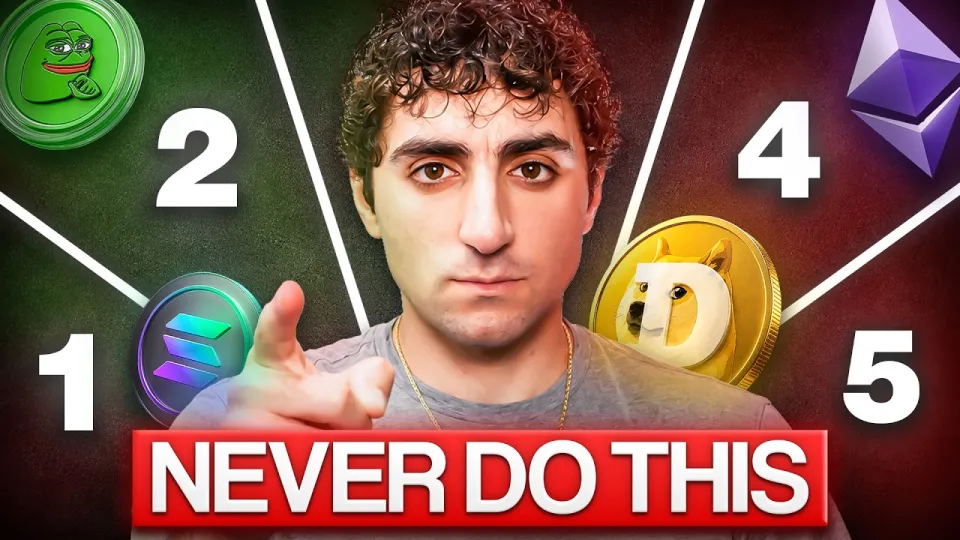
Video: 5 Things I Wish I Knew Before Trading Memecoins (Learn From My Mistakes)
Need articles like this for your video? They help promote it on YouTube and Google — order them in the Telegram bot @sat_sit_bot. It writes articles around your video, embeds the video and publishes them on popular niche websites (no ads). Your first 50 articles are free.
· based on the channel rasmr
Trading meme coins means treating them as high-risk narrative bets rather than investments: you buy attention and liquidity, size every position so a total loss is survivable, and exit on a plan instead of on emotion. The trader behind the rasmr channel built a whole video around the mistakes he made learning this the hard way, and the lessons map cleanly onto a repeatable process. If you want to follow along on the platform he uses, you can register on fomo.family through his referral link.
What a meme coin actually is and why it behaves so differently
A meme coin is a token whose value comes from community attention and speculation, not from revenue, users or a product. That single fact explains almost every quirk of the market: there is no earnings floor to anchor the price, so valuation is whatever the next buyer will pay, and the next buyer is usually reacting to a chart, a tweet or a Telegram rumor.
The practical consequences are worth spelling out, because they drive every rule below:
- Liquidity is the real exit. A token can show a $10 million market cap on a screen and still be impossible to sell for a fraction of that, because the pool behind it holds only a few thousand dollars.
- Supply concentration kills. If a handful of wallets hold most of the float, they can dump on you at any moment, and no amount of chart reading saves you.
- Narratives decay fast. Meme cycles compress what used to take months into days or hours, so a thesis that was valid on Monday can be dead by Wednesday.
- Sunk cost is the enemy. Because there is no fundamental value to fall back on, "it will come back" is a hope, not an analysis.
The five mistakes that cost beginners the most
Most losses in this niche come from a short list of repeated errors rather than from bad luck, and naming them is the fastest way to stop repeating them. The rasmr video is structured around exactly this idea: things the author wishes he had known before his first trades.
1. Trading because you are bored. This is the one experienced traders mention most, and it shows up in the comments under the video too, where one viewer describes losing an entire portfolio during a bear market simply out of boredom. If there is no setup, the correct position is no position. Cash is a position.
2. Skipping the contract and holder check. Before any buy, look at who holds the supply, whether the deployer wallet still holds a large share, whether liquidity is locked, and whether trading is taxed. These checks take two minutes and eliminate the majority of outright scams.
3. Buying the top of a vertical candle. Chasing a token that has already run 300% in an hour means your entry is someone else's exit. Waiting for consolidation, or for a pullback that holds a level, gives you a defined risk point.
4. Oversizing. A meme coin position should be sized so that going to zero is annoying but not structural. Many traders cap single bets at 1–5% of their portfolio and accept that most of them will fail.
5. Having no exit plan. Decide before entry what price invalidates the trade and what price takes profit. Without that, you will hold a loser hoping and sell a winner early out of fear.
How to size positions and manage risk in practice
Risk management in meme coins is mostly about arithmetic you do before you click buy. Start with a fixed maximum you are willing to lose on the entire strategy, not on one token, and divide it into small bets.
A workable routine looks like this:
- Set a per-trade cap. For example, 2% of portfolio value per token, with a hard rule of no more than five open positions at once.
- Define the invalidation level at entry. If the token loses the consolidation low you bought, you are out, no renegotiation.
- Scale out on the way up. Selling a portion at 2x and another at 5x locks in real gains and removes the pressure to call the exact top.
- Track results in a spreadsheet. Win rate and average win/loss size tell you whether the strategy works; memory does not.
Patience is the part that does not look like a strategy but functions as one. Waiting for a setup you recognize, rather than forcing a trade, is the difference between a hobby and a process.
Reading liquidity, holders and narrative before you buy
Due diligence on a meme coin is a checklist, not a vibe, and it should take minutes rather than seconds. The goal is to answer one question: if this goes wrong, can I still get out?
Check the liquidity pool size relative to market cap, and check whether it is locked and for how long. Look at the holder distribution: a top-10 wallet share above roughly 20–30% is a red flag unless those wallets are known and locked. Check the contract for mint authority, freeze authority and transfer taxes. Then look at the narrative: is there an active community producing content, or is the token riding a single post that will be forgotten tomorrow? A token with strong liquidity and a distributed holder base can survive a bad week; a thin one cannot survive a single seller.
Common questions traders ask before their first trade
Beginners tend to ask the same handful of things, and the answers are less exotic than they expect. One viewer asked whether to buy during consolidation or wait for confirmation such as good news; the honest answer is that consolidation with rising volume is a reasonable entry zone precisely because it gives you a clear level to invalidate the trade, while waiting for news usually means buying after the move.
Another recurring theme is timing: how long to hold. There is no universal number, but the structure of meme cycles argues for planning exits in hours and days rather than weeks, and for taking partial profits rather than waiting for a target that may never print. The third theme is recovery after a bad start. Traders who have just begun and already made several of these mistakes are in the normal position: the fix is not a bigger bet to win it back, it is smaller size and a written checklist.
Why patience beats prediction in this market
Prediction gets the attention, but patience pays the bills in meme coin trading. You cannot reliably forecast which token will run, and anyone claiming otherwise is selling something; you can control how much you risk, when you exit, and whether you trade at all on a given day. Those three levers decide the outcome far more than any call does.
The rasmr channel is worth following for this reason: the content is built around lessons from real mistakes rather than promises, which is why viewers describe it as unusually honest for the niche. Treat the video as a checklist to compare against your own habits, not as a signal service.
Final thoughts
Meme coin trading rewards discipline far more than conviction: check liquidity and holders before buying, size every position so a zero is survivable, define your exit before entry, and skip trades you are taking out of boredom. The mistakes are simple and repetitive, which means the corrections are too. If you want to put the process into practice, you can sign up on fomo.family with the rasmr referral link and start with small size while you build the habits.
Key takeaways
- Meme coins are narrative-driven tokens with no cash flow, so price is set almost entirely by attention and liquidity.
- The most common beginner error is trading out of boredom rather than waiting for a setup, which turns a small loss into a wiped portfolio.
- Check liquidity depth and holder concentration before buying: thin pools mean you cannot exit at the price shown on the chart.
- Size positions so a full loss on one meme coin does not damage the rest of your portfolio; most traders use 1–5% per bet.
- Registering through the rasmr referral link on fomo.family gives access to the trading platform used in the video.
Questions & answers
How much of my portfolio should I put into a single meme coin?
Most experienced traders cap a single meme coin bet at 1–5% of portfolio value, precisely because a large share of these tokens go to zero. The cap should be set so that several consecutive losses are annoying but do not change your overall financial position. Size is the main risk control available in a market with no fundamentals.
Should I buy during consolidation or wait for news confirmation?
Consolidation with building volume is often the better entry because it gives you a clear price level that invalidates the trade if broken. Waiting for news usually means entering after the move has already happened, with worse risk-to-reward. The key is having a defined exit before you buy, not the trigger itself.
What should I check before buying a new meme coin?
Check liquidity pool size and whether it is locked, holder concentration, and the contract for mint or freeze authority and transfer taxes. A thin pool means you may not be able to sell at the price shown on the chart. These checks take a couple of minutes and filter out most outright scams.
I already made several beginner mistakes — how do I recover?
Recovery comes from smaller position sizes and a written checklist, not from a bigger bet to win the money back. Review your trades to see whether losses came from boredom trading, chasing candles or missing exit plans, and fix that specific behavior. Most traders who started recently have made exactly these errors.
Source: 5 Things I Wish I Knew Before Trading Memecoins (Learn From My Mistakes) · Markdown version